Skip to content

Colour Archive

The colour archive brings together studies and experiments carried out at the Lapso atelier. Each sample records an encounter between plant, fibre and process — and reveals just one of the many possibilities a single material can offer.

Natural colours can vary with the dyestuff, the fibre and the dyeing conditions. What you see here is the result observed across many experiments.

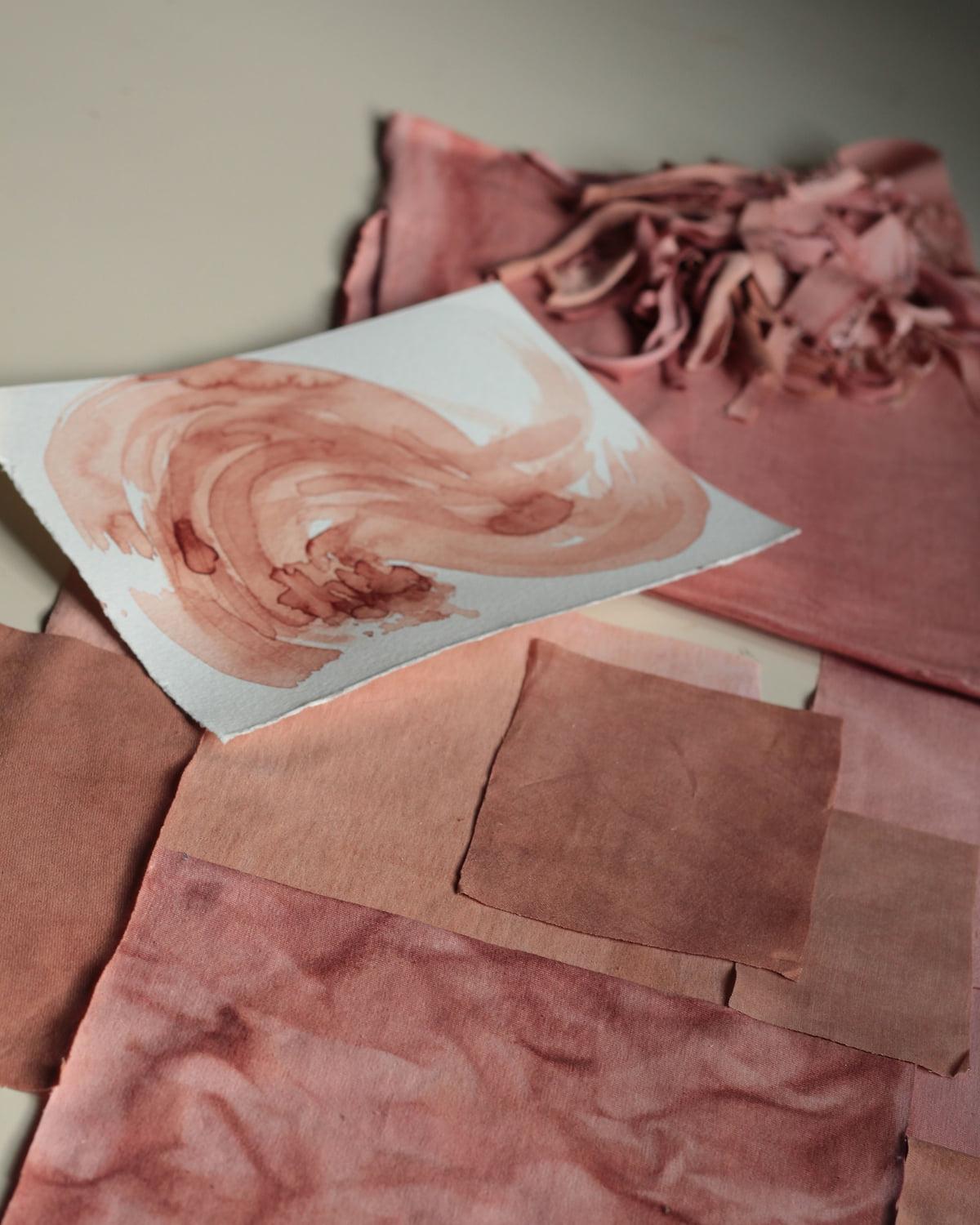
Layered fabrics and a sheet of paper with brushstrokes in pink and peach tones

Avocado

Persea americana Mill.

Native to Central America, the avocado tree is now widely grown in Brazil and holds an important place in the atelier's research and workshops. Leaves, bark and seeds offer different colour possibilities — above all the seeds, which can give peach tones and delicate pinks.

Extraction can be helped by fermenting the seeds and by using sodium bicarbonate. Oxidation, sun exposure and UV radiation can also modify the tannins and produce new nuances. With iron, the palette shifts towards greys and purplish tones.
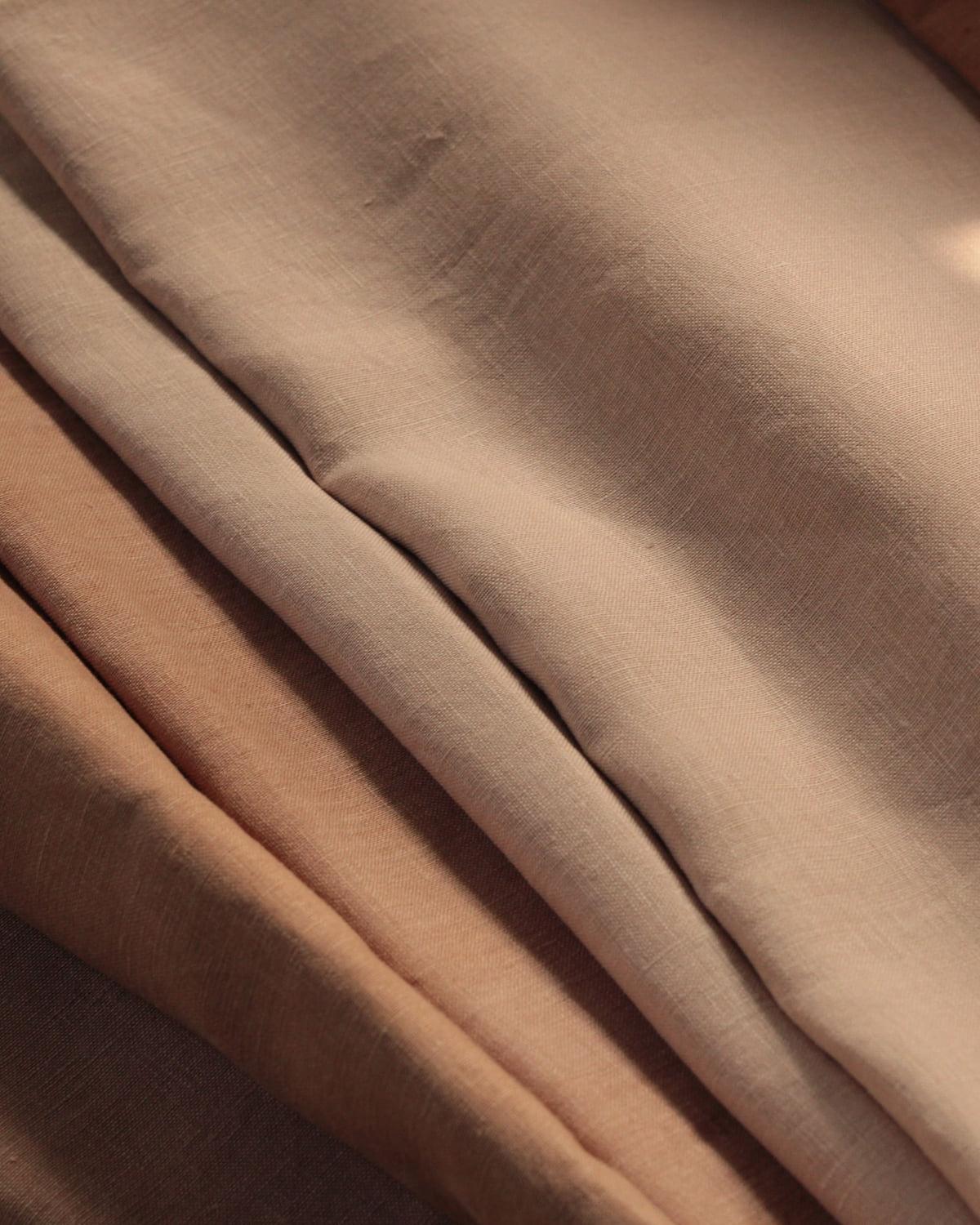
Folded fabrics in pinkish beige and caramel tones

Black wattle

Acacia mearnsii

Native to Australia, black wattle is grown in Brazil mainly to produce tannin, widely used in leather tanning. At the atelier we use certified black wattle tannin, chosen for its high tannin concentration and the consistency of the material.

Besides acting as a pre-mordant — creating a base that can take on pinkish nuances and help fix other dyes on cellulose fibres — the tannin can also be used as a source of colour. Through oxidation, including in the sun or with lime, it can give tones ranging from pink to copper and brown, with different depths depending on the process.

Rich in tannins, it has astringent properties and a slightly sweet scent that accompanies its preparation.

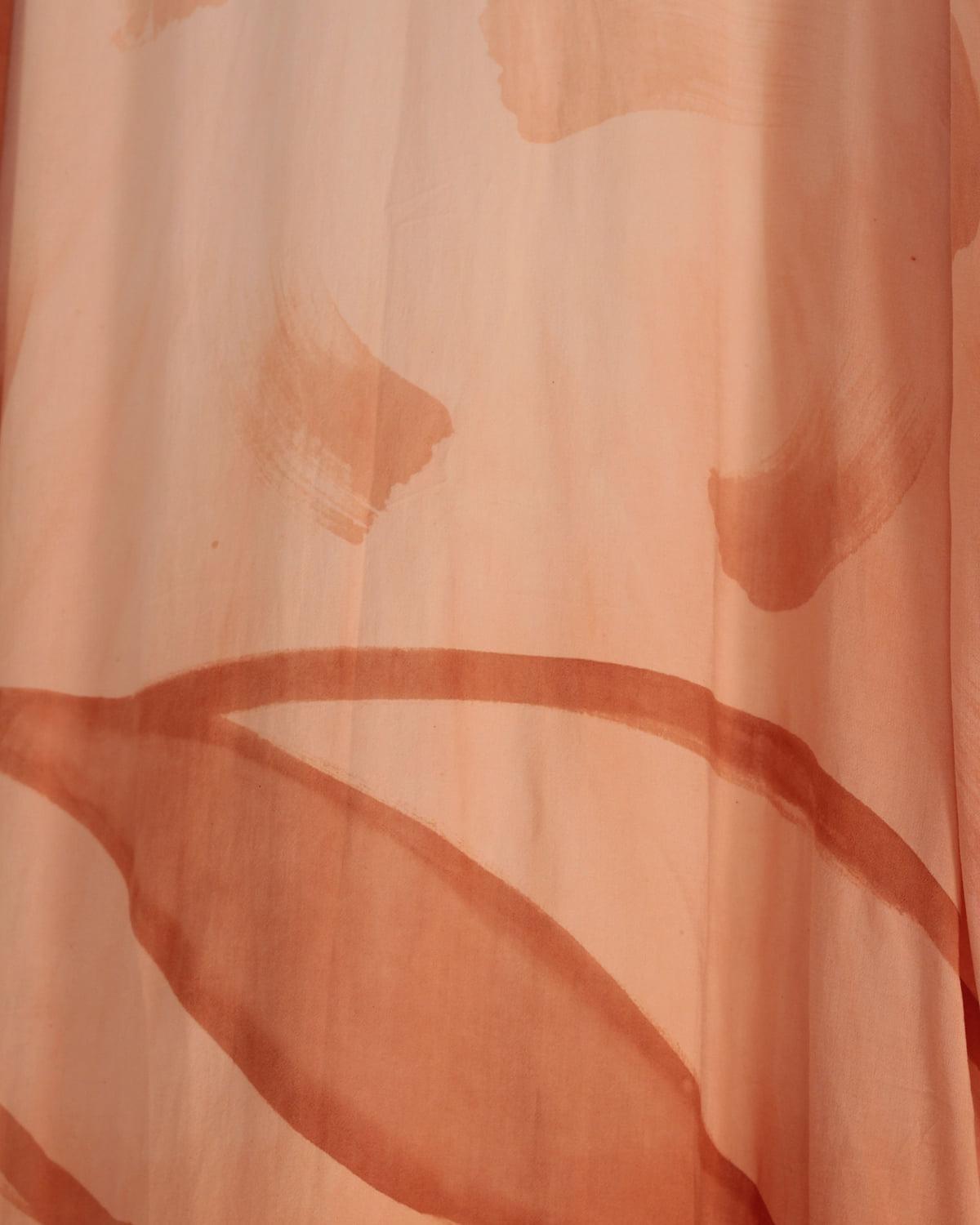
Peach and rust fabric painted with large leaf shapes

Catuaba

Trichilia catigua

Native to several regions of Brazil, catuaba is used at the atelier for its bark. The bark can be left in water for a few days, in fermentation processes that help release the compounds responsible for colour. In the dye bath it can reveal a wide range of tones: with alum come oranges, pinks and peachy nuances; with iron, the colour shifts towards coppery and brownish tones. The resulting shades show good stability and can take on new nuances over time.

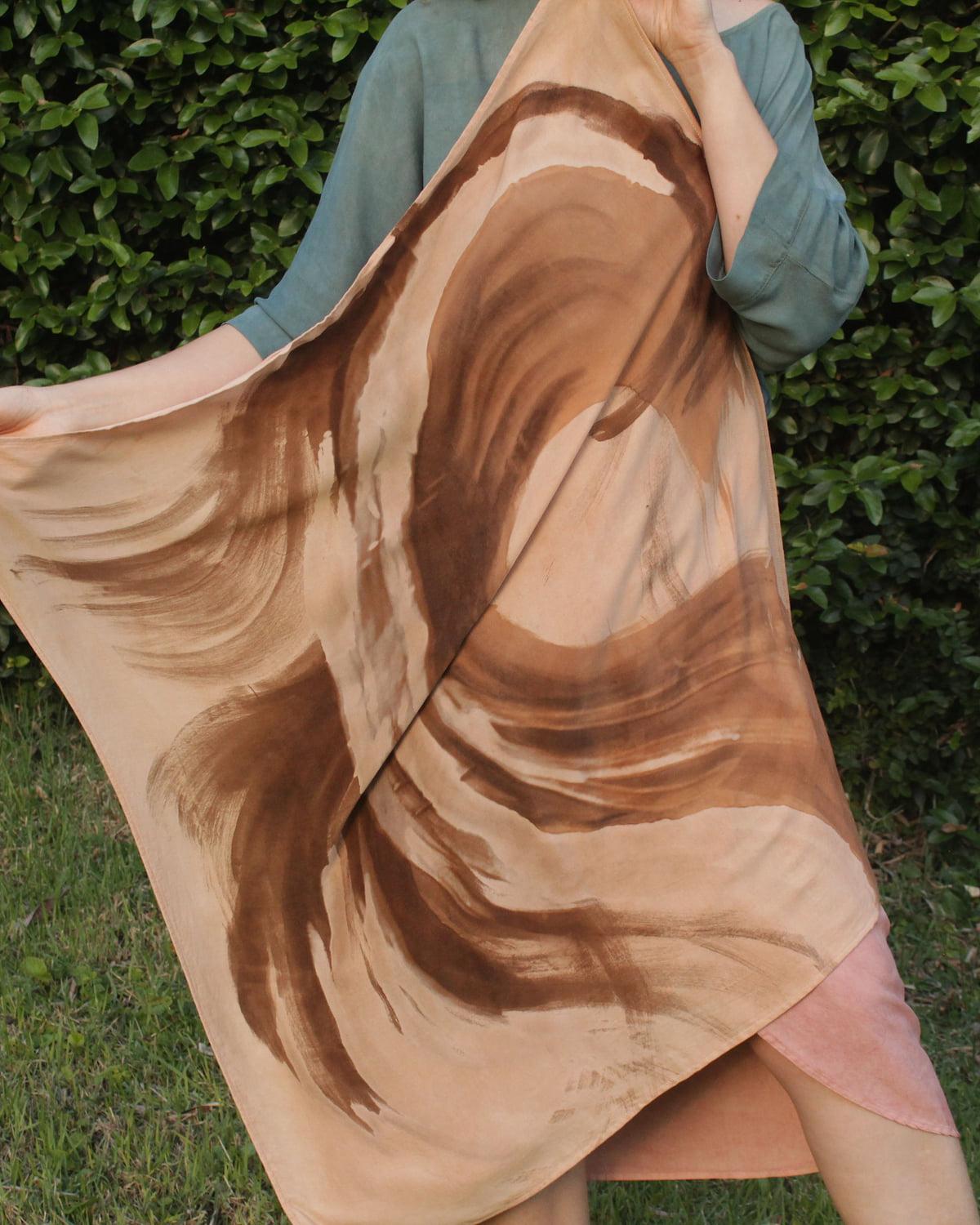
A person holds open a peach scarf with brown brushstrokes, on a lawn

Cosmos

Cosmos sulphureus

Native to Central America and Mexico, cosmos is grown at the atelier as a source of colour and as part of the garden that surrounds the practice. Its flowers are picked on site and used fresh or dried in the dye bath.

Rich in flavonoids and other phenolic compounds, the flowers give luminous yellows, golds and oranges. With iron, they can take on greenish tones. Intensity varies with concentration, fibre and process, revealing different possibilities from the same flower.

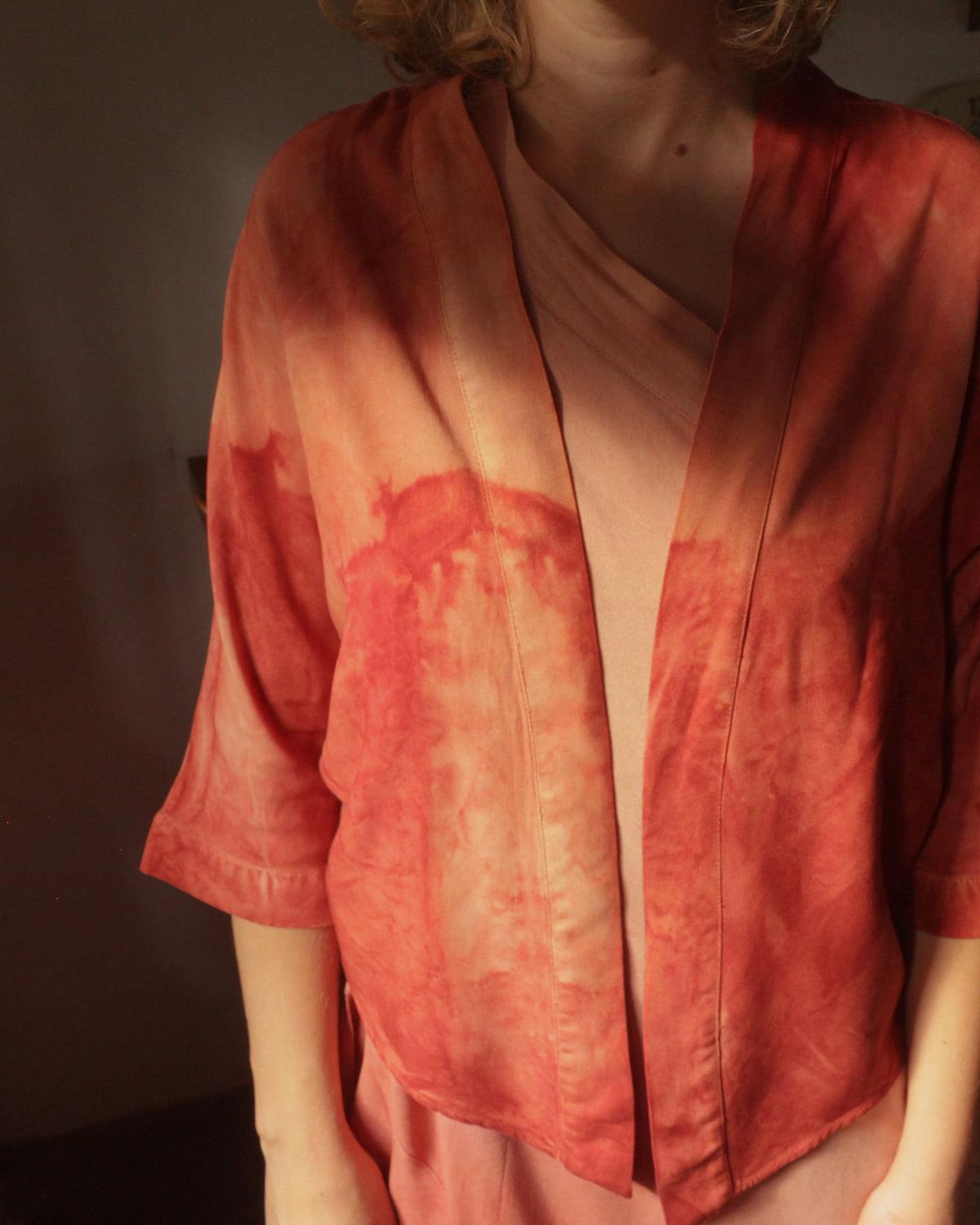
A person wearing a light kimono in orange and red tones, with deeper patches at the centre

Crajiru

Fridericia chica

Its fresh leaves are green and grow on a vine native to the tropical Americas, widely used in Brazil. At the Lapso atelier, crajiru is also grown for experimentation and colour production. After a few days of drying and oxidation, the leaves turn reddish. In the dye bath they can reveal pink, red and deeper tones, depending on the process and concentration. With iron, the colour can take on purplish or brownish tones. Over time it may soften, revealing new, earthier and less pink nuances.

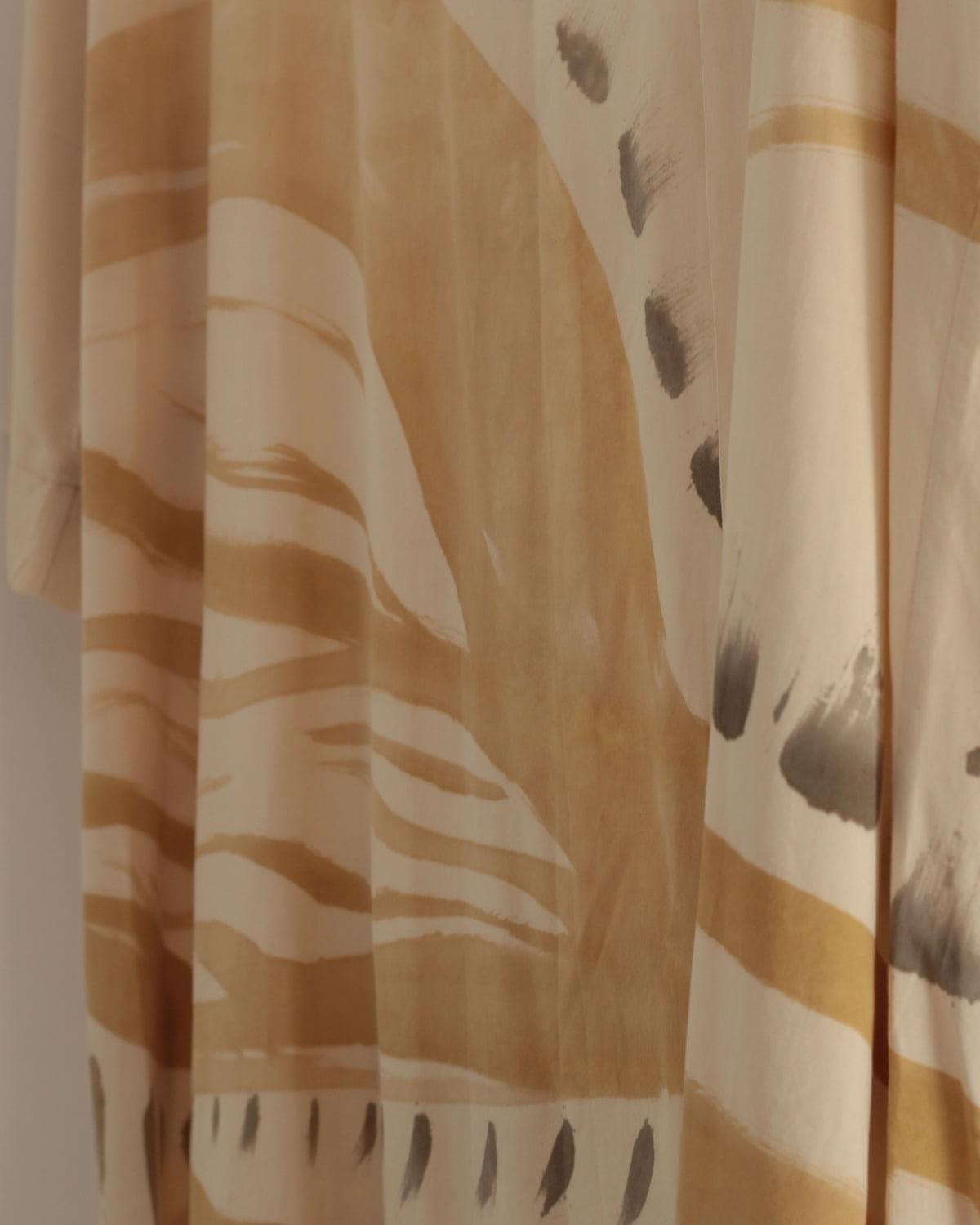
Pale fabric with brushstrokes in beige, caramel and grey

Eucalyptus

Eucalyptus grandis

Native to Australia and widely grown in Brazil, eucalyptus is part of the landscape around the atelier. Its leaves are gathered nearby and used in the dye bath, bringing their characteristic scent into the process.

Rich in phenolic compounds, including tannins, the leaves can give very pale, luminous yellows with alum, as well as beige nuances. With iron, the palette shifts to greys ranging from the softest to the deepest.

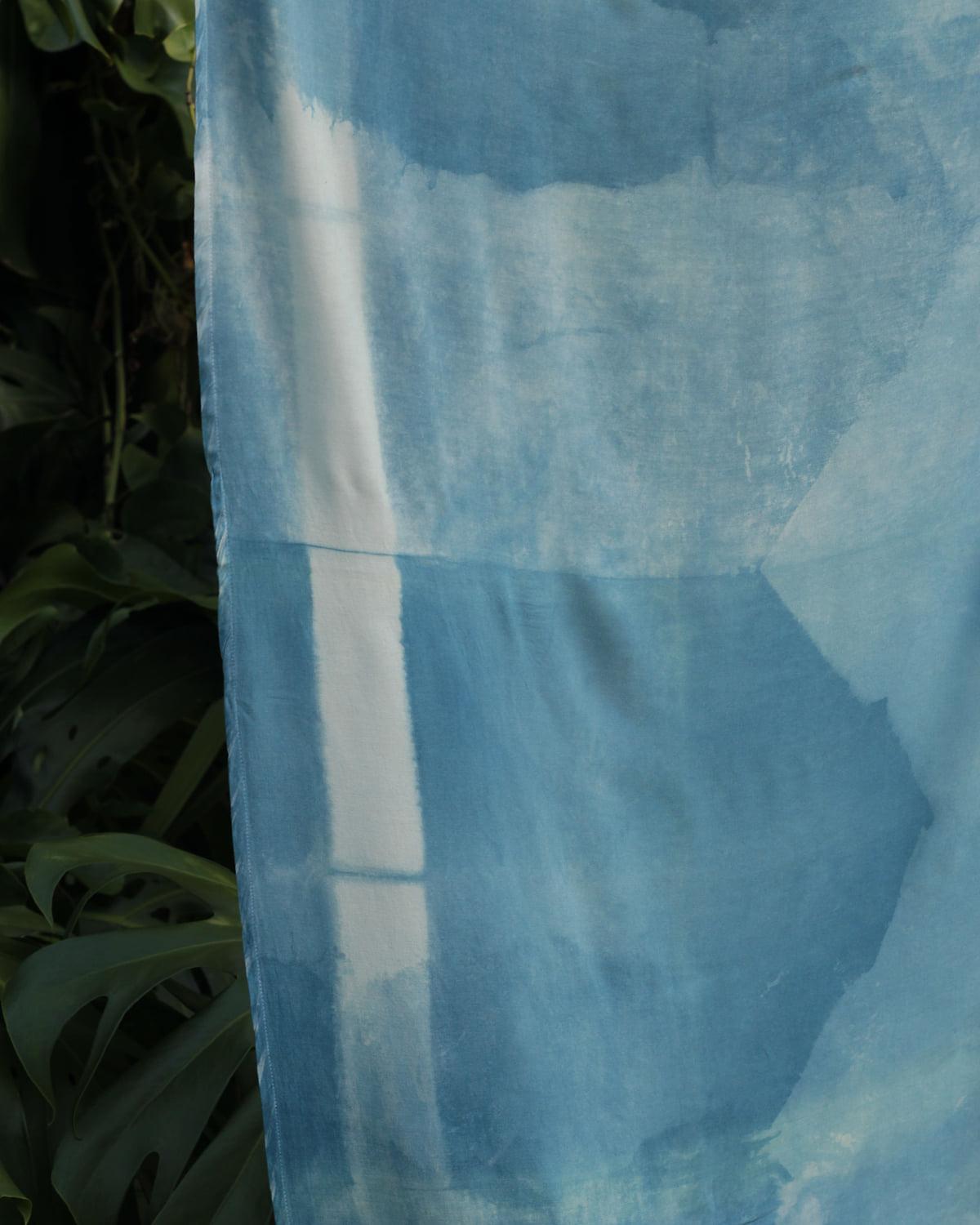
Fabric with blocks of pale and mid blue, hanging among foliage

Indigo

Indigofera suffruticosa

Known in Brazil as anileira or anil, Indigofera suffruticosa grows in many regions of the country. Its leaves can be fermented and processed to extract indigo, which is then precipitated as an insoluble pigment.

At the atelier, dyeing takes place in a reduction vat, where the pigment is temporarily turned into a soluble form able to penetrate the fibre. As it leaves the vat, the cloth shows yellow-green tones that gradually turn blue on contact with oxygen. The vat can be built with sugars from ripe fruit or with fructose, and takes a few days to reach the balance it needs.

Each dip adds a new layer of colour. Between immersion and oxidation, the blue builds up little by little, from the palest to the deepest shades.

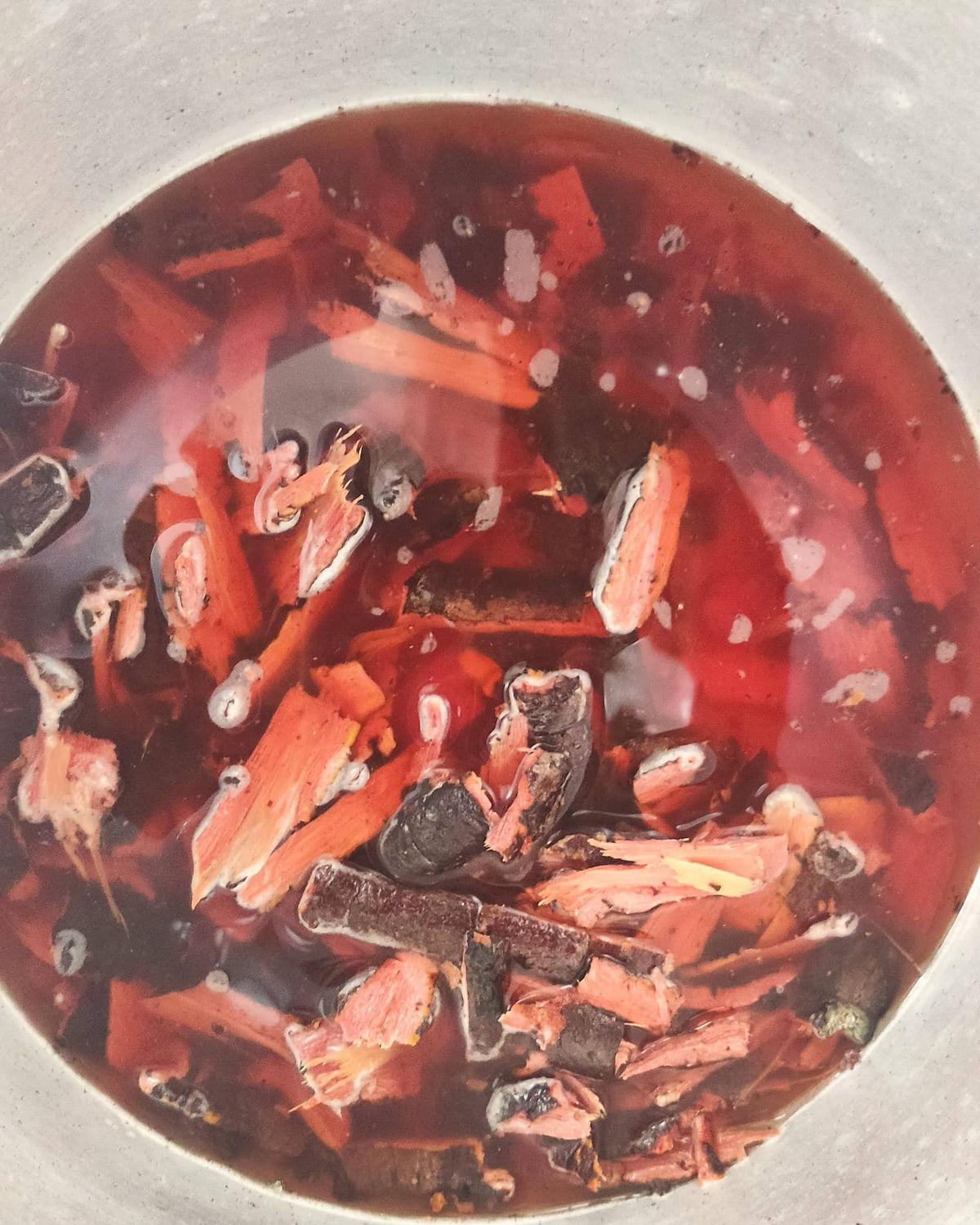
Pieces of bark steeping in a red bath, seen from above in a bowl

Mangaba

Hancornia speciosa Gomes

Native to Brazil, the mangaba tree grows across different regions and habitats — most notably the Cerrado, but also parts of the Caatinga, the Amazon and the Atlantic Forest. It was part of Lapso's artistic research mapping colours produced from native Cerrado plants.

Rich in phenolic compounds and tannins, the bark has astringent properties and is part of the plant's traditional uses. In dyeing, different concentrations and processes draw new nuances from the same material.

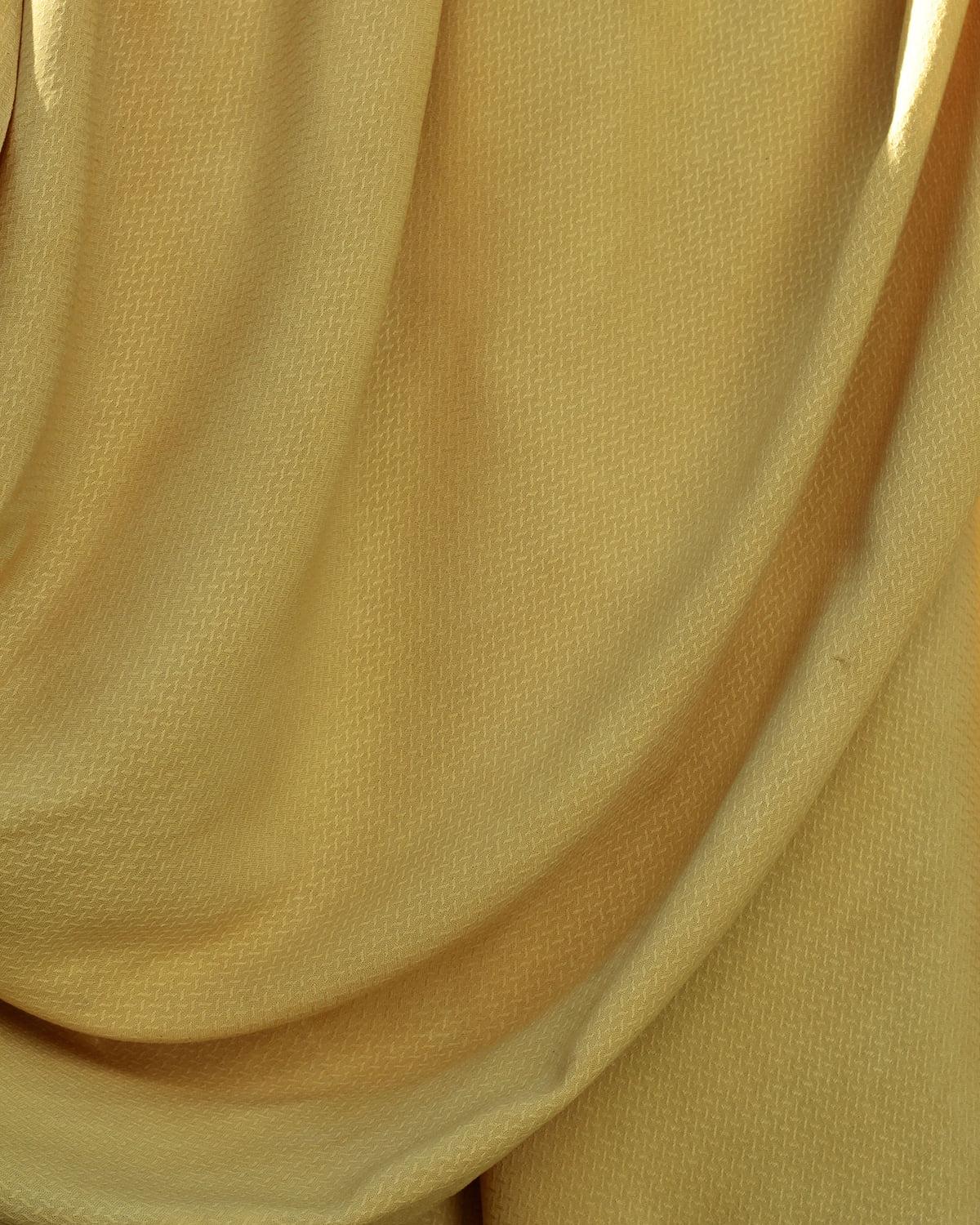
Mustard-yellow fabric draped in soft folds

Mango

Mangifera indica L.

Native to South Asia, the mango tree is now widely grown in Brazil. Its leaves, with their distinctive, pronounced scent, are a rich source of phenolic compounds, including tannins, which also give them their astringent properties.

In the dye bath, the leaves can give pale yellows even without alum, while alum mordanting intensifies and brightens them. With the addition of iron, these tones can turn to vivid greens.

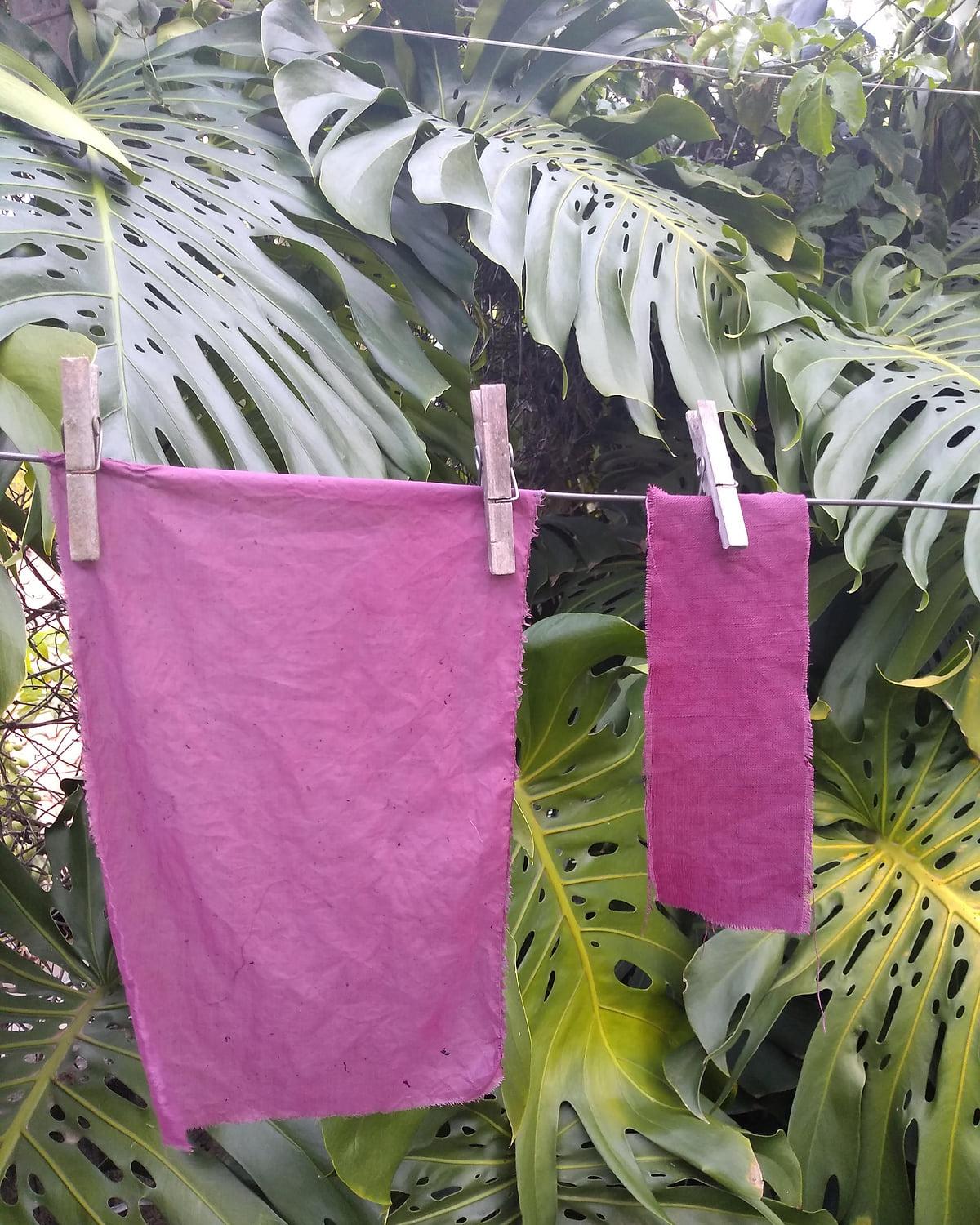
Two bright pink fabrics pegged on a line among monstera leaves

Mulberry

Morus nigra L.

Native to Asia, the mulberry is grown in several regions of Brazil. In dyeing, its fruit and leaves offer very different possibilities.

The fruit, rich in anthocyanins, gives pinks and reds and, with changes in pH, can shift towards bluish tones. These are more ephemeral colours, especially sensitive to light, and so have an experimental, delicate character.

The leaves offer another palette, linked mainly to flavonoids and phenolic compounds, revealing yellows and brownish tones. These colours behave differently from anthocyanins and can be more stable, depending on the process and the fibre.

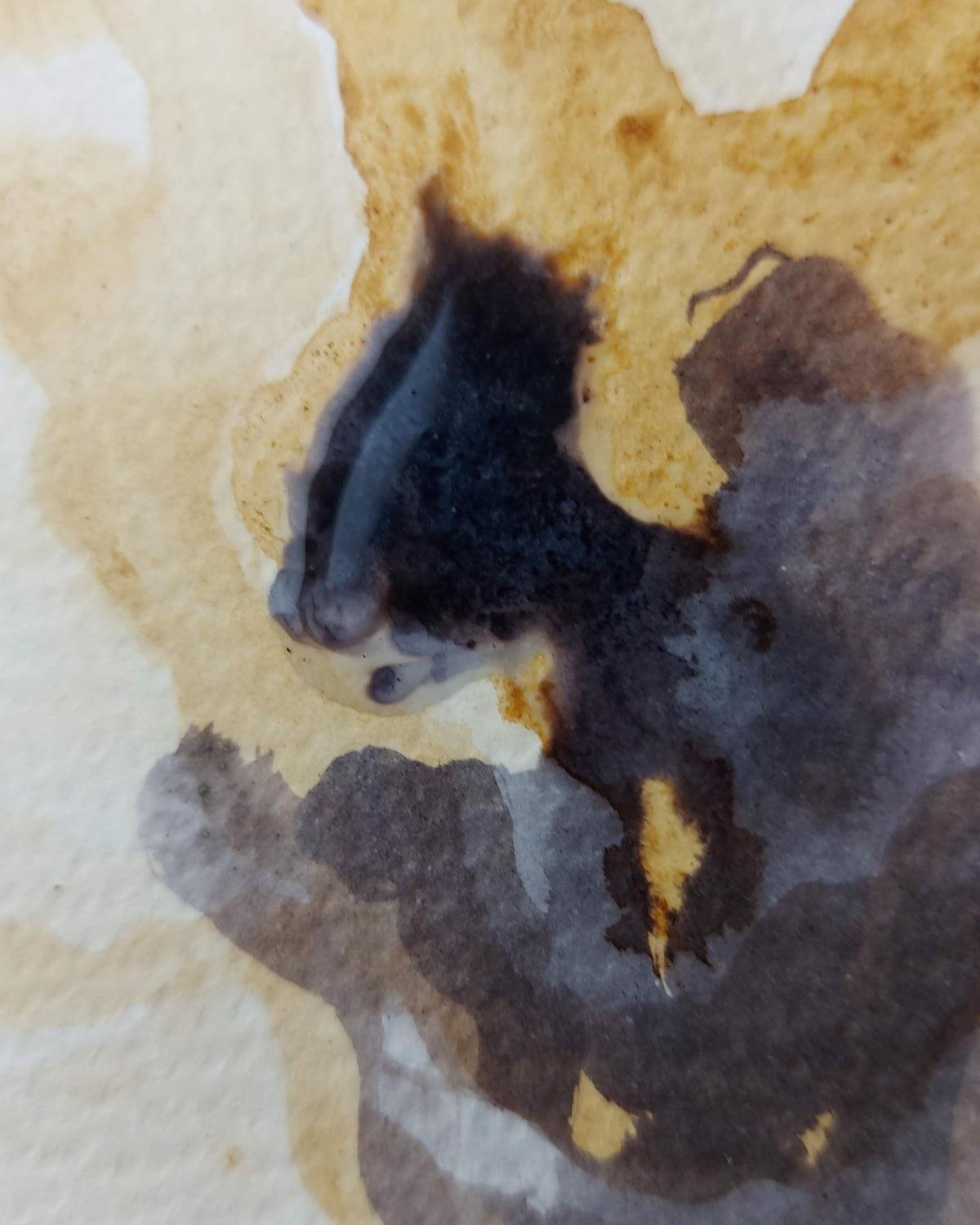
Stains on paper in ochre, grey and bluish black

Oak gall

Quercus infectoria Olivier

Oak galls are growths formed in oak tissue by the action of insects, especially gall wasps. The galls of Quercus infectoria, historically known as Aleppo galls or Turkish galls, are particularly rich in hydrolysable tannins, reaching very high concentrations.

The material was part of research and experiments carried out during Bruna's time in Portugal and Denmark, including gathering and studying local dyestuffs. In the dye bath it can give a palette ranging from very pale beiges to deep, oxidised browns. With iron, the tannins form dark complexes, leading to greys, very deep browns and blacks.

Its historical importance goes beyond dyeing: galls are one of the main traditional ingredients of iron gall ink, produced by the reaction between their tannins and iron salts. This ink was widely used in European writing for centuries.

It is not part of the atelier's regular practice, which prioritises dyestuffs of Brazilian origin and developing colour from the local territory.

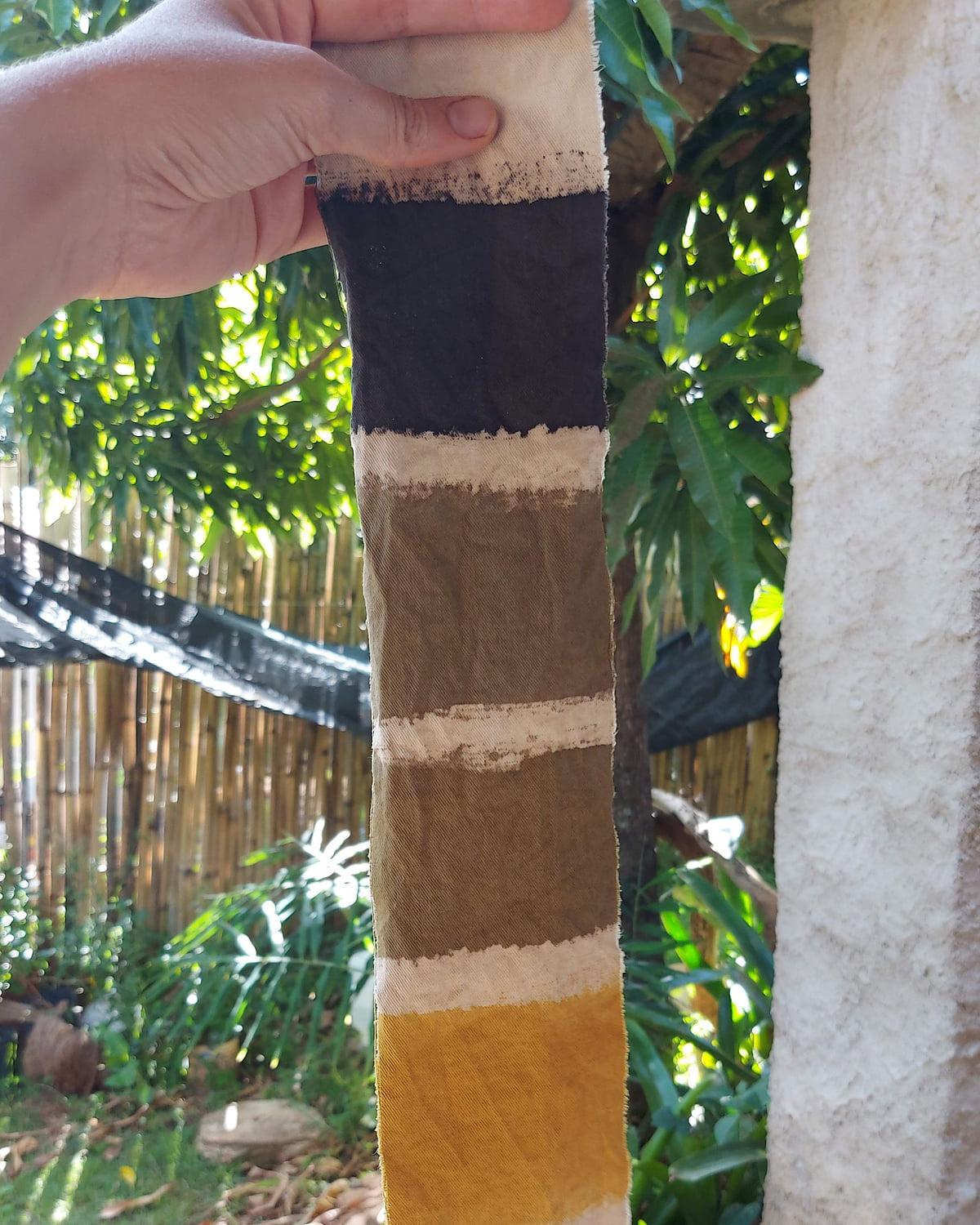
A hand holds a strip of fabric banded in dark brown, chestnut and ochre yellow, outdoors

Pequi

Caryocar brasiliense Cambess.

Native to the Brazilian Cerrado, the pequi tree was part of an artistic research project Lapso carried out in that region, mapping colours produced from native plants. Its leaves give vibrant yellows with alum and, with iron, a palette that moves towards greyish greens and deep browns.

Rich in phenolic compounds and flavonoids, the leaves have antioxidant potential and are also studied for their medicinal properties. The same plant that belongs to the landscape and traditional knowledge of the Cerrado reveals, in the dye bath, a wide chromatic range.

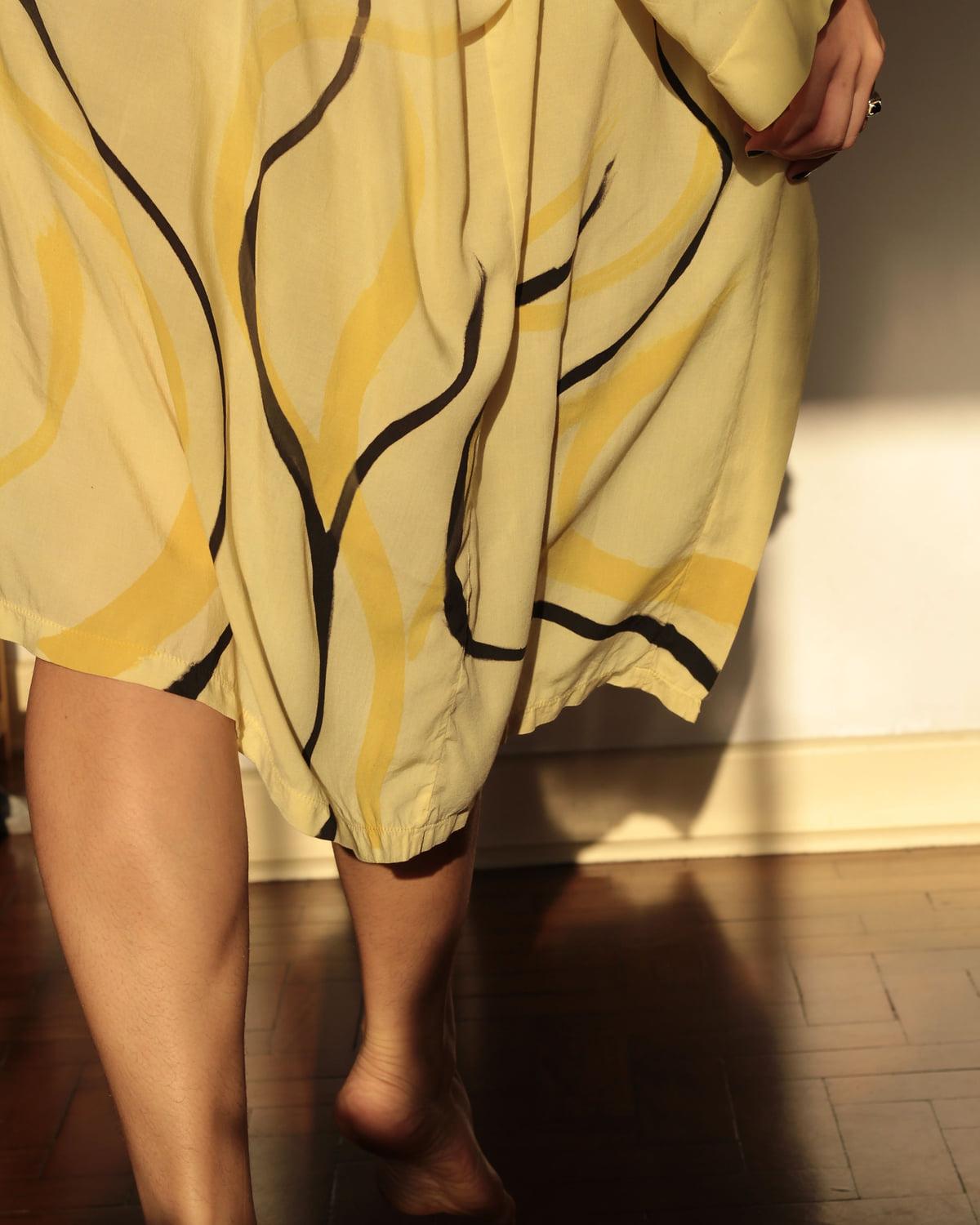
A yellow skirt with winding black lines, in motion, over a wooden floor

Pomegranate

Punica granatum

Native to the Mediterranean and Western Asia, the pomegranate (Punica granatum) is now widely grown in Brazil. In natural dyeing its rinds are an important source of tannins and reveal a surprising trait: contrary to what one might expect, pomegranate is not used to produce reds, but mainly to create yellows.

The yellows, which range from soft to intense, come mainly from the phenolic compounds in the rind — rich in tannins, which also have an affinity for fibres. With alum, the yellows can become even more intense and luminous. Different concentrations of iron shift the colour towards a wide range of greens and even deep greys.

The reddish tones associated with pomegranate come from anthocyanins, which are less stable to light and therefore less durable in dyeing.

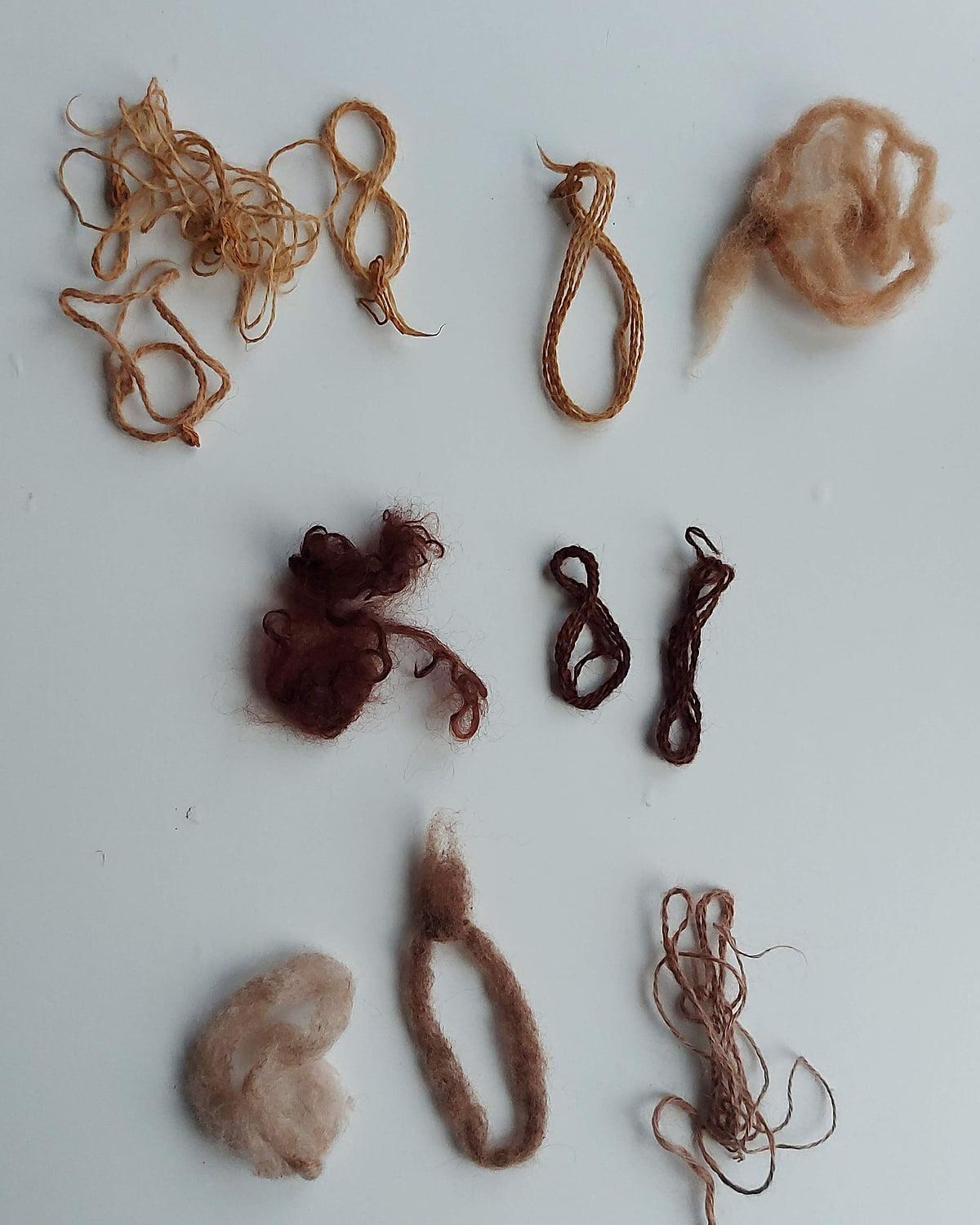
Small skeins and tufts of yarn in beige, chestnut and dark brown on a white background

Walnut

Juglans regia L.

Native to Europe and Central Asia, the walnut tree was part of Bruna's research and experiments during her time in Denmark. The green hulls of the nuts give a palette ranging from peach tones to very deep browns when oxidised. With iron, they can reach very dark shades, close to black.

The main dye compound in the green hulls is juglone, a naphthoquinone, together with tannins and other phenolic compounds. This composition allows different colour transformations depending on extraction, oxidation and interaction with iron.

The material is part of Lapso's research memory but is not used regularly at the atelier, which prioritises dyestuffs of Brazilian origin and exploring the chromatic possibilities of the local territory.